Selling discreetly: the complete off-market guide for owners
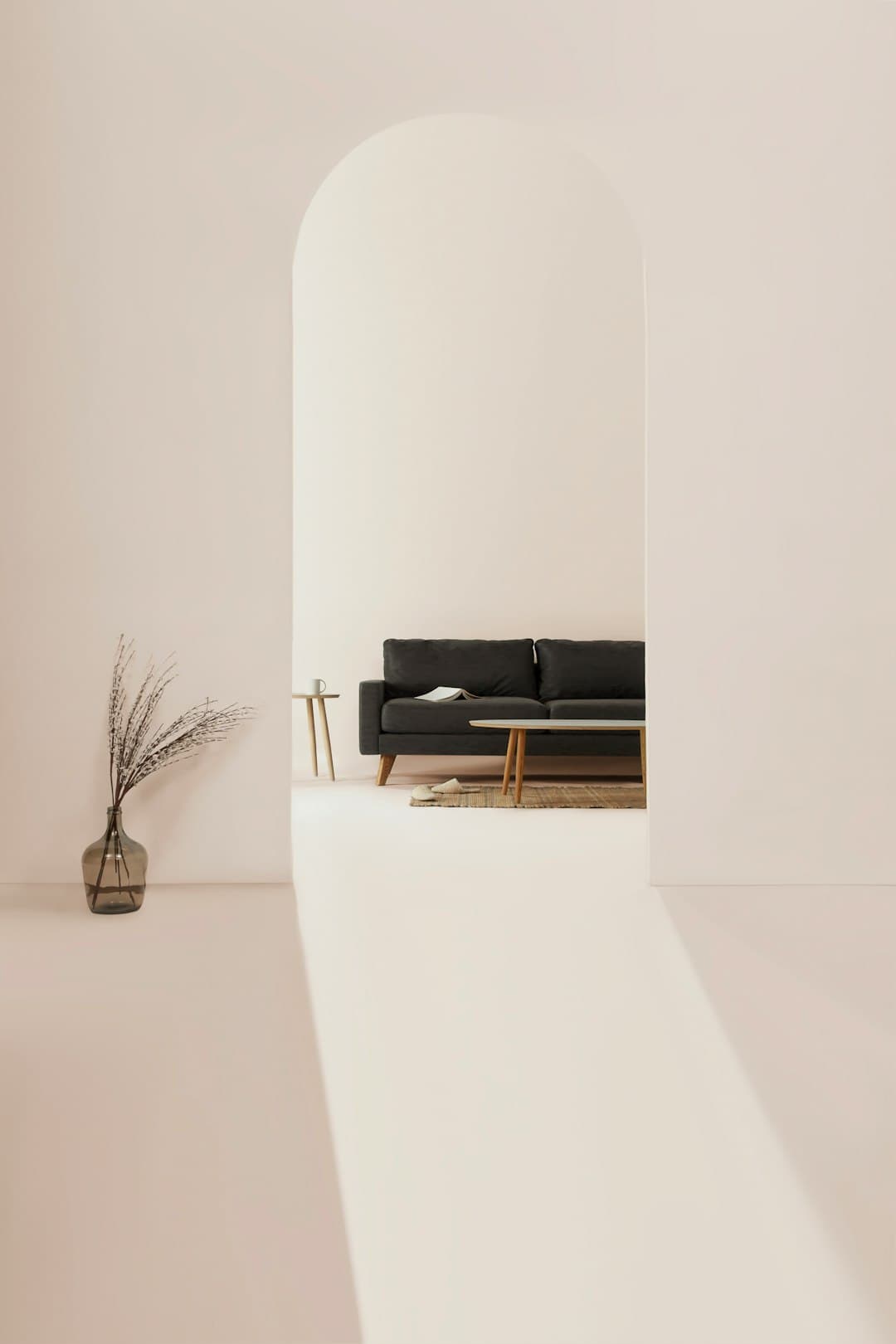
Not all assets should be on property portals. Some owners prefer to sell without public photos, without the exact address, without neighbours finding out the property is on the market. The off-market channel exists for these cases. It is not synonymous with urgency or a low price: it is a sale mode with more control, more discretion and, often, better terms.
Why sell off-market
Reasons for not exposing an asset on the public market vary:
- Personal or family discretion. The owner does not want the sale to be public.
- Privacy protection. Assets linked to public figures or sensitive estates.
- Avoid price erosion. An asset that has been on portals for months creates the perception that it does not sell or is overpriced.
- Sensitive transaction. Inheritances, divorces, estate reorganisations or tax-driven sales.
- Singular assets. Palaces, whole buildings, unique penthouses or historic properties that do not fit the portal format.
In these cases, discretion is not a whim. It is a way of protecting the asset's value.
The four steps of off-market
1. Valuation with real data
The first step is knowing what it is worth. Not with opinions, but with market references. Nationally, Notarial references are:
| Property type | Average national price m² | |:-------------------|--------------------------:| | New-build flat | 2.970 € | | Second-hand flat | 2.197 € | | All types | 1.958 € | | House or chalet | 1.443 € |
But real value is built from the postcode, the street, the condition of the property, the CEE and real demand in the micromarket. A flat in Salamanca (28001) is not valued like one in greater Madrid, even if both are in the same province.
2. Complete documentation
An off-market buyer is usually more demanding, not less. So it pays to have ready:
- Cadastral reference and land registry extract.
- Updated energy certificate.
- Building technical inspection (ITE) or building technical documentation.
- Plans, works licences and installation certificates.
- Tax settlement and charge status.
The more information prepared, the faster and smoother the process.
3. Access to qualified buyers
The key to off-market is not hiding the asset from everyone, but showing it only to those who can buy. This means:
- Filtering by real financial capacity.
- Verifying strategic interest, not curiosity.
- Managing viewings in a controlled way.
- Establishing an orderly offer procedure.
4. Negotiation and closing
Without visible public competition, negotiation is direct. Price is set by the asset's value, not by comparison with portal listings. Good legal and tax advice is essential for a clean closing.
NDA and confidentiality
In premium assets, the non-disclosure agreement (NDA) is standard. It is not a formality: it is protection for the seller. The NDA obliges the potential buyer not to disclose information about the asset, including photographs, address, characteristics or even the existence of the transaction itself.
A serious buyer agrees to sign an NDA before receiving sensitive documentation. Anyone who refuses without reason is a warning sign.
Gross yield by area
One figure portals do not provide, but which professional buyers do calculate, is gross yield. It crosses purchase price/m² with estimated rent/m²/month.
| Purchase price m² | Monthly rent m² | Gross annual yield | |:-----------------|:--------------------|:-------------------------| | 3.000 € | 15 € | 6,0% | | 2.500 € | 12 € | 5,8% | | 4.000 € | 18 € | 5,4% | | 2.000 € | 10 € | 6,0% |
The formula is simple: (monthly rent × 12) / purchase price. If you buy at 3,000 €/m² and rent at 15 €/m²/month, you obtain 6% gross per year. Investors use this calculation to quickly decide whether an offer price fits their strategy.
The owner who knows the gross yield in their area can better defend their price or, conversely, detect when an offer is reasonable even if below expectations.
How to protect your privacy
Discretion is built through small decisions:
- No identifying photos. Images should not show the full façade, entrance number or uniquely recognisable elements.
- No exact address. Zone or postcode can be shared, but not the address until a later stage.
- Filtered viewings. Scheduled, accompanied and without signs or sale notices.
- Controlled communication. A single interlocutor manages contact with potential buyers.
When off-market makes sense
| Owner profile | Typical reason | |:----------------------|:-------------| | Family estate | Discretion and control of the process. | | Singular asset | The portal format does not value uniqueness. | | Owner in no hurry | Prefers to wait for the right buyer. | | Sensitive situation | Inheritance, divorce or tax strategy. | | Premium owner | Protection of personal image. |
Conclusion
Selling discreetly is not selling worse. It is selling with more control over who enters, what they see and what they offer. In a market where public information sometimes does more harm than good, off-market allows the owner to protect privacy, defend value and close with genuinely qualified buyers. The key is to have documentation ready, the price well anchored to real data and a confidentiality process well structured.
Do you have an asset to value?
At Sadana Homes we connect singular assets with verified investors. Whether you want to invest or sell discreetly, let's talk.