New-build vs. second-hand: where margin lives
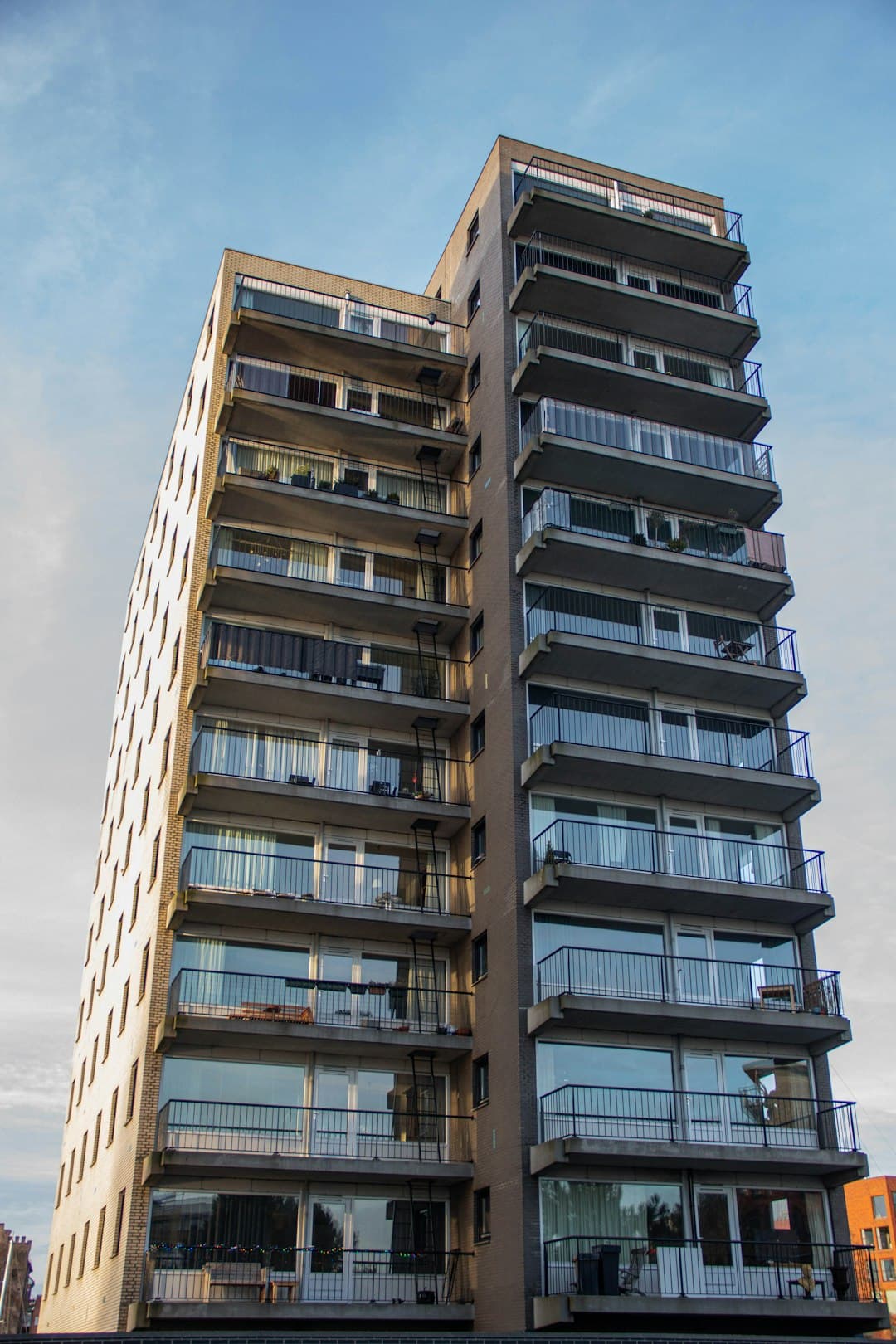
The first question any real estate investor asks is not how much a property costs, but how much margin it leaves. And that margin does not live in newspaper headlines. It lives in the gap between the price of new-build, second-hand, and, above all, in what happens inside each micromarket. Consolidated market data lets us separate opinion from reality.
The national gap: 773 €/m²
Nationally, the average price per m² of a new-build flat is 2.970 €/m². The same flat, second-hand, falls to 2.197 €/m². The difference is 773 €/m², 35% less per square metre.
| Property type | Average price m² | |:-------------------|----------------:| | New-build flat | 2.970 € | | Second-hand flat | 2.197 € | | All types | 1.958 € | | House or chalet | 1.443 € |
This gap is not just a statistic. It is the playing field where investment strategies are decided. Buying second-hand is not synonymous with buying worse; often it is buying at a discount.
Houses vs. flats: the chalet paradox
One of the most striking market figures is that houses or chalets have an average price of 1.443 €/m², well below the 1.958 €/m² national average across all types. It is even below the second-hand flat price (2.197 €/m²).
How can a chalet be worth less per square metre than a flat? The answer lies in surface area and location:
- Larger surface area: a 250 m² chalet dilutes the price/m² compared to an 80 m² flat in the same area.
- Peri-urban location: chalets tend to concentrate in less dense areas, with less demand pressure per m².
- Heterogeneous stock: the house segment ranges from suburban single-family homes to rural fincas, which flattens the average.
This does not mean the chalet is a worse investment. It means its valuation demands looking beyond price/m²: plot, buildability, condition, orientation and use possibilities.
The 3x multiplier: when the postcode triples the province
The provincial average hides micromarkets with impressive multipliers. The investor who works with averages is using an approximate compass; the one who works with postcodes is using GPS.
| Province | Provincial average m² | Premium postcode | Premium price m² | Multiplier | |:----------|--------------------:|:-----------|------------------:|:-------------:| | Madrid | 3.604 € | 28001 (Salamanca) | 12.295 € | ×3,4 | | Madrid | 3.604 € | 28006 (Retiro) | 10.144 € | ×2,8 | | Barcelona | 2.772 € | 08008 (Pedralbes) | 8.097 € | ×2,9 | | Gipuzkoa | 3.696 € | 20007 (San Sebastián) | 9.750 € | ×2,6 | | Baleares | 4.120 € | 07157 | 9.899 € | ×2,4 | | Baleares | 4.120 € | 07012 (Palma) | 5.943 € | ×1,4 | | Sevilla | 1.483 € | 41004 | ~3.987 € | ×2,7 |
The pattern is systematic: in every province there is a premium core that multiplies the provincial average by two, three or more. And it does so with real transactions: 489 in 28001, 603 in 28006, 91 in Pedralbes, 44 in 20007. These are not invented prices; they are closed deals.
The investor lives in the micromarket
The thesis is simple: the investor does not live in the average. They live in the micromarket. The average price of Spain, Madrid or Barcelona is only the starting point for understanding where to look for margin.
The same province can simultaneously have:
- Prime zones with four-figure price/m² and high liquidity.
- Transition zones with price/m² close to the average and slower exits.
- Bedroom or peri-urban zones with low price/m² but renovation or rental potential.
Margin appears when the entry price is crossed with the cost of refurbishment, estimated rental yield and expected exit price. And those three factors change from one postcode to another.
Where to look for margin
- In the new-build/second-hand gap. Buying a well-located second-hand flat at 2.197 €/m² and refurbishing it can approach yields that new-build at 2.970 €/m² does not allow.
- In the asset-type discount. Houses and chalets at 1.443 €/m² in areas with real demand can be opportunities mislabelled by those who only look at price/m².
- In the postcode discount. An asset in a 3,000–4,000 €/m² postcode within a 1,500 €/m² province may be expensive. An asset in the same range within a 3,600 €/m² province may be cheap.
Conclusion
The 773 €/m² gap between new-build and second-hand is the first warning: the market is not homogeneous. Add the chalet paradox, the 3x multiplier of premium postcodes and the variety of provinces, and the map becomes far more interesting. Margin is not in knowing that Spain is at 1.958 €/m². It is in knowing why your specific asset should cost more, or less, than that.
Do you have an asset to value?
At Sadana Homes we connect singular assets with verified investors. Whether you want to invest or sell discreetly, let's talk.